
News
News Center
2026/08/10
Interior lighting Quality Inspection Guide for Quality Managers
Interior lighting Quality Inspection Sourcing Guide for Quality Managers
Author: Jaymin Ecosaving Editorial Team | Source: Official product pages and factory information | Topic: Interior lighting quality inspection for B2B buyers in water saving aerators, shower heads, restrictors, smart thermostats and energy saving products.
The best starting point for Interior lighting quality inspection selection is a structured buying checklist rather than a loose product search. Buyers should connect product function, supplier response, inspection method and after-sales replacement planning before making a shortlist.
Quality Managers researching Interior lighting quality inspection usually need practical evidence before contacting a factory. The useful page should connect the search phrase with product links, project use cases, inspection details, commercial checkpoints and the information needed for a clear first inquiry.
Product jump links: Review Interior lighting Hand Shower and visit the official website at https://www.jaymin-ecosaving.com/.

At-a-Glance Comparison for Interior lighting quality inspection
The table below gives buyers a quick way to connect the topic with real product evidence, related options and the review points that should be discussed before quotation.
| Review Point | What Buyers Should Check | Procurement Value |
|---|---|---|
| Main product focus | Interior lighting | Use this page to verify the core product path for Interior lighting quality inspection. |
| Related option | Hand Shower | Compare this page when the buyer needs a second model, accessory or specification route. |
| Supplier evidence | Official product pages, images and inquiry checkpoints | Helps buyers avoid judging the supplier from a generic category name only. |
| Quality review | water saving performance, flow stability, installation fit, material check, user experience and package proofing | Turns the article into a practical buying checklist instead of a short product introduction. |
This comparison is not meant to replace direct supplier communication. It helps buyers organize the first review before contacting the factory, so the inquiry can focus on the right product page, related option, sample requirement, documentation question and commercial condition. That makes the first quotation round clearer.
How This Guide Was Built
This guide is built around practical buying signals rather than broad promotion. The review logic combines product-page relevance, application fit, image evidence, inspection checkpoints, packaging discussion and the information a buyer needs before sending an inquiry.
It is not enough to mention a product name once. A useful industry resource should show how the product is evaluated, which related options may matter, what questions buyers should ask and how the supplier can support the next step.
Buyer Intent and Project Context
This search intent is normally practical: the buyer wants to know what to check, which product page to open, what risks to avoid and what information should be prepared before contacting the factory.
For water saving aerators, shower heads, restrictors, smart thermostats and energy saving products procurement, buyers should prepare quantity range, target market, sample needs, documentation expectations, packaging notes and delivery timing before asking for the final quotation.
The common risk in Interior lighting quality inspection sourcing is approving a supplier based on a broad category name only. The buyer should compare product-page evidence, official images, specification notes and communication quality before locking the purchasing route.
Product Fit and Application Details
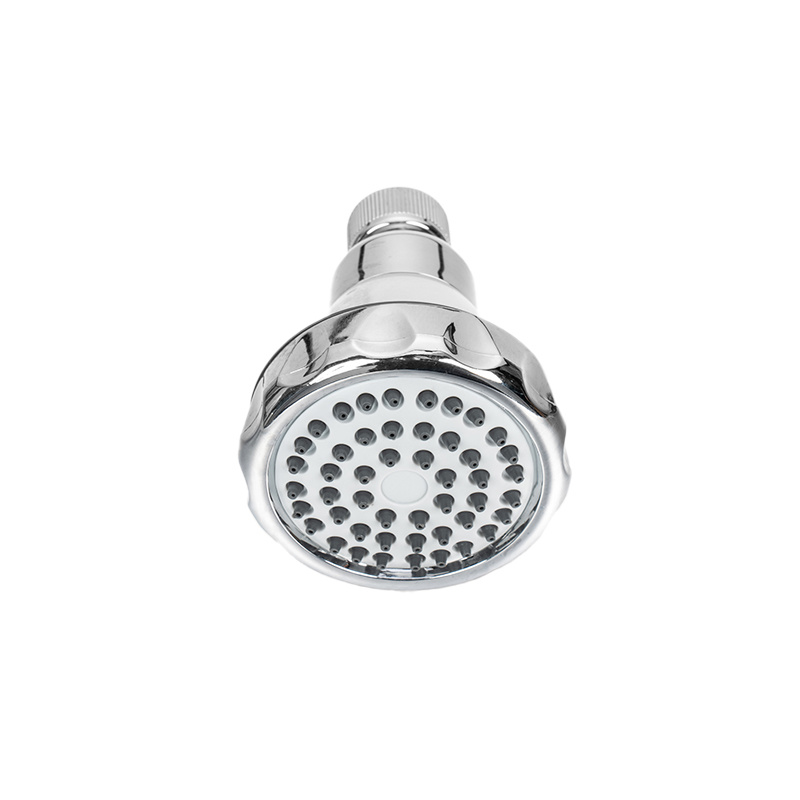
Interior lighting should be evaluated by application fit, specification stability, buyer documentation, sample review and long-term order planning. Related options such as Hand Shower help purchasing teams compare more than one product path before requesting a quotation.
- Specification match: Confirm model, size, material, voltage, capacity or dimensional requirements before sample approval.
- Application fit: Check whether the product matches the target user, working environment and safety expectations.
- Order planning: Ask about MOQ, packaging, labeling, lead time and repeat-order consistency.
Technical Review Points
The technical review starts with Interior lighting. Buyers should confirm how the product is used, which specification details affect performance, and how the supplier checks water saving performance, flow stability, installation fit, material check, user experience and package proofing before moving from sample discussion to repeat-order planning.
Hand Shower is useful as a related comparison point. It gives the buyer another internal page to review when the project needs a different configuration, application scenario or product family.
A helpful supplier comparison should separate must-have specifications from negotiable commercial terms. Technical fit, repeatability and communication speed should be reviewed before final price discussion, because those items usually decide whether the order can scale.
Before approving a supplier, purchasing teams can score the offer by product fit, sample clarity, response speed, packing detail, delivery plan and ability to repeat the same specification later. This makes the comparison more useful than checking price lines alone.
Project Notes for Interior lighting
Primary product evidence: The official page for Interior lighting should be checked for lighting output, mounting method, electrical safety, housing durability, energy-saving claim support and project installation planning. Available product terms include Interior lighting, and the image library provides 4 visual references for model review.
Related product evidence: The comparison page for Hand Shower helps the buyer verify water-flow control, bathroom hardware fit, installation thread match, flow stability and retail replacement planning. Related terms include Hand Shower, with 4 image references available for cross-checking the article topic.
Quality review should be written as a practical inspection route. For Interior lighting, the buyer can define what must be checked on sample arrival, what should be checked during production and what evidence is needed before shipment. The focus should include water saving performance, flow stability, installation fit, material check, user experience and package proofing and any market-specific packing requirements.
When Hand Shower is added to the order, the same inspection logic should not be copied blindly. Different dimensions, materials, applications or packaging methods may require a different checklist. This is why the article should guide buyers to ask product-specific questions instead of relying on one universal QC sentence.
A quality-inspection guide for Interior lighting should translate technical concerns into checkpoints that can be confirmed before payment and shipment. The buyer can use the official image and product page of Interior lighting to define the inspection scope, then ask how the factory records water saving performance, flow stability, installation fit, material check, user experience and package proofing.
Inspection planning should also include Hand Shower when the order includes accessories, alternate models or several product families. This prevents the buyer from approving one sample while leaving the rest of the shipment without a clear review standard.
For quality managers, the main value is a clearer supplier conversation. Instead of sending a broad request, the buyer can reference Interior lighting, compare Hand Shower, ask for the relevant evidence and prepare a quotation request that is specific enough for the supplier to answer accurately.
Quality Control and Supplier Trust
A useful buyer guide should include practical production, inspection and communication details. For this topic, buyers should review water saving performance, flow stability, installation fit, material check, user experience and package proofing, sample testing, packing checks and factory communication records instead of relying only on broad marketing claims.
A strong inquiry package should include product links, estimated quantity, destination market, packaging preference, sample deadline, inspection concerns and any drawings, project photos, label rules or certification requests.
Jaymin Ecosaving product pages and category links give buyers a direct path from sourcing guidance to real product review, which improves user experience and internal link value.
Supplier Evidence Buyers Should Review
Supplier evidence should be specific enough for a buyer to verify the next step. Useful proof may include official product pages, real product images, specification notes, factory or equipment photos, certificate pages, inspection explanations, packing examples, case pages or downloadable documents. If these resources are not visible, the article should guide the buyer to request them rather than claim they already exist.
- Product evidence: product detail pages, model names, images, category pages and available specification notes.
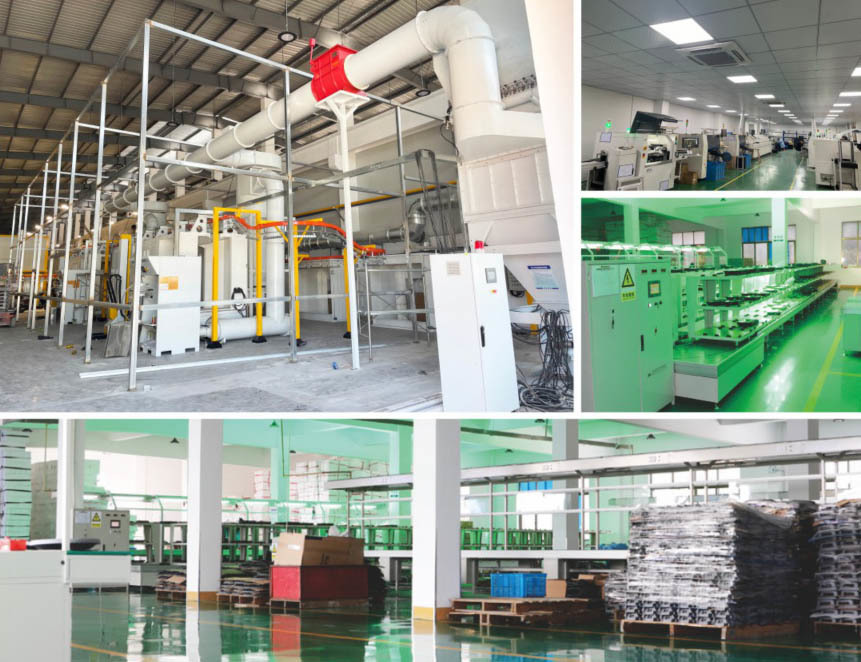
- Factory evidence: About page, workshop photos, equipment photos, process descriptions or exhibition materials when available.
- Quality evidence: inspection checkpoints, certificate pages, test documents, packing examples or sample review notes when available.
- Commercial evidence: MOQ, sample timing, OEM or private label support, quotation route and after-sales communication process.
Supplier Checklist
| Review Point | What Buyers Should Check | Procurement Value |
|---|---|---|
| Specification fit | Match water and energy saving products requirements with real application conditions | Reduces model mismatch |
| Supplier evidence | Review water saving performance, flow stability, installation fit, material check, user experience and package proofing before order approval | Builds buyer confidence |
| Commercial planning | Confirm MOQ, OEM options, sample timing, documentation, packing and quotation terms | Improves inquiry quality |
Common Sourcing Mistakes to Avoid
Several mistakes appear repeatedly in Interior lighting quality inspection sourcing. Buyers may choose a supplier from one attractive photo, compare quotations without matching specifications, ignore packing requirements, or ask for price before explaining application and quantity. These shortcuts can create sample delays, unclear quotations and repeat-order problems.
A stronger approach is to compare the product page, related model, sample plan, packaging method and inspection details at the same time. This lets the buyer judge whether the supplier can support the real order, not only whether the supplier can answer a keyword inquiry.
Buyers should also avoid using the same RFQ message for every supplier. A useful message should mention the exact product link, expected quantity, target market, required packaging, sample deadline and any certification or inspection questions that matter to the project.
How to Choose the Right Supplier for Interior lighting quality inspection
To choose a supplier for Interior lighting quality inspection, buyers should first define the use case, then compare real product pages, request sample or specification confirmation, review quality-control steps and prepare a quotation request that includes quantity, market and packaging details.
- Start with the real application: Define where the product will be used and what failure or mismatch would cost the buyer.
- Compare product evidence: Review official images, model names, category paths and available specification notes before asking only for price.
- Check sample logic: Ask how the sample will be reviewed and whether the same checklist will be used for repeat orders.
- Confirm commercial terms: MOQ, packaging, label rules, documentation and delivery schedule should be discussed early.
- Prepare the inquiry: Send product links, quantity range, target market and any previous purchasing concerns in the first message.
Questions to Ask Before Ordering
Before sending an RFQ, buyers can use these questions to make the supplier conversation more specific:
- What application or target market will Interior lighting quality inspection serve?
- Which product page is the closest match: Interior lighting or Hand Shower?
- What sample quantity, packaging method and inspection points should be confirmed?
- Can the supplier explain how repeat orders will keep the same specification?
- What information is needed for a useful quotation instead of a vague price reply?
- Which certificates, test documents, factory photos or process evidence can be reviewed if available?
From Product Selection to Shipment
A resource-style page should help the reader move from research to action. The practical workflow below turns a product keyword into a clearer purchasing conversation.
- 1. Define requirement: Send application, quantity, market and specification notes.
- 2. Compare product pages: Review Interior lighting and Hand Shower before asking for a quote.
- 3. Confirm sample or details: Check dimensions, material, packaging, label and inspection expectations.
- 4. Review quotation: Compare MOQ, lead time, sample policy, documentation and shipment terms.
- 5. Prepare repeat order: Record the approved specification, packing method and quality checkpoints.

Jaymin Ecosaving Product Pages and Internal Resources
Buyers can begin at https://www.jaymin-ecosaving.com/ and use the product links in this guide to narrow the shortlist before sending drawings, quantities or sample requests.
A clear inquiry message should mention the product link, target market, estimated quantity, packaging preference and inspection expectation. This reduces back-and-forth and helps the supplier prepare a more useful quotation.
FAQ
What should buyers confirm before ordering Interior lighting quality inspection?
Buyers should confirm product specification, application requirements, MOQ, sample lead time, packaging, inspection method and quotation details.
Why should the article link to specific product pages?
Specific product links help buyers verify real product options and move from general research to a clearer supplier inquiry.
How can buyers reduce sourcing risk?
Risk can be reduced when the buyer prepares application details, asks for sample confirmation and checks whether the supplier can explain inspection and delivery steps clearly.
What information should be sent with an inquiry?
Buyers should send a clear product reference, quantity range, market, packaging preference, desired delivery window and previous purchasing problems if they exist.
{"@context": "https://schema.org", "@type": "FAQPage", "mainEntity": [{"@type": "Question", "name": "What should buyers confirm before ordering Interior lighting quality inspection?", "acceptedAnswer": {"@type": "Answer", "text": "Buyers should confirm product specification, application requirements, MOQ, sample lead time, packaging, inspection method and quotation details."}}, {"@type": "Question", "name": "Why should the article link to specific product pages?", "acceptedAnswer": {"@type": "Answer", "text": "Specific product links help buyers verify real product options and move from general research to a clearer supplier inquiry."}}, {"@type": "Question", "name": "How can buyers reduce sourcing risk?", "acceptedAnswer": {"@type": "Answer", "text": "Risk can be reduced when the buyer prepares application details, asks for sample confirmation and checks whether the supplier can explain inspection and delivery steps clearly."}}, {"@type": "Question", "name": "What information should be sent with an inquiry?", "acceptedAnswer": {"@type": "Answer", "text": "Buyers should send a clear product reference, quantity range, market, packaging preference, desired delivery window and previous purchasing problems if they exist."}}]}{"@context": "https://schema.org", "@graph": [{"@type": "Organization", "name": "Jaymin Ecosaving", "@id": "https://www.jaymin-ecosaving.com/#organization", "url": "https://www.jaymin-ecosaving.com/"}, {"@type": "Article", "headline": "Interior lighting Quality Inspection Guide for Quality Managers", "description": "Learn how B2B buyers can evaluate Interior lighting quality inspection, including product fit, OEM support, MOQ, documentation, sample review, factory audit support and quotation details with Jaymin Ecosaving.", "datePublished": "2026-08-10T08:45:00+08:00", "dateModified": "2026-08-10T08:45:00+08:00", "image": ["https://omo-oss-image1.thefastimg.com/portal-saas/pg2024091419223645054/cms/image/369e3164-0196-4942-9276-7f50a4faaf83.jpg?vf=B7gH3s", "https://omo-oss-image.thefastimg.com/portal-saas/pg2024091419223645054/cms/image/369e3164-0196-4942-9276-7f50a4faaf83.jpg", "https://omo-oss-image1.thefastimg.com/portal-saas/pg2024091419223645054/cms/image/ec7d2b37-cbfb-4ee4-908f-bba070f833a2.jpg?vf=B7gH3s"], "author": {"@type": "Organization", "name": "Jaymin Ecosaving Editorial Team"}, "publisher": {"@id": "https://www.jaymin-ecosaving.com/#organization"}}]}
Related News


2023/12/13


Ningbo Jay&Min Sanitary Tech Co.Ltd
Ningbo Fenghua Xinfengshun Sanitary Ware Co., Ltd (Feng Shun) (FS)
Room 1502-1504, No. 7 building, Smart park, No.99 North xiangyun road, Ningbo Hi-Tech zone, China